




Most people know they need a Will, and yet most people have never done it. Not because they don't care, but because it never feels like the right moment. There's always something more immediate to deal with, and besides, thinking about what happens after you die isn't exactly anyone's idea of a good afternoon.
But what if something happened to you? Do you know who'd get your home? Your savings? Your pension? Do you know who'd look after your children?
If you don't have a Will, you don't get to decide. The law decides for you, and its default rules rarely match what most people would choose.
The reality is that getting a Will sorted is quicker, simpler, and cheaper than most people expect. And whatever your reason for being on this page today, a new home, a growing family, a change in circumstances, or just the nagging feeling that you've left it long enough, our Wills solicitors can help you sort it out.
Why Lincoln Families Come to Ringrose Law for Their Wills
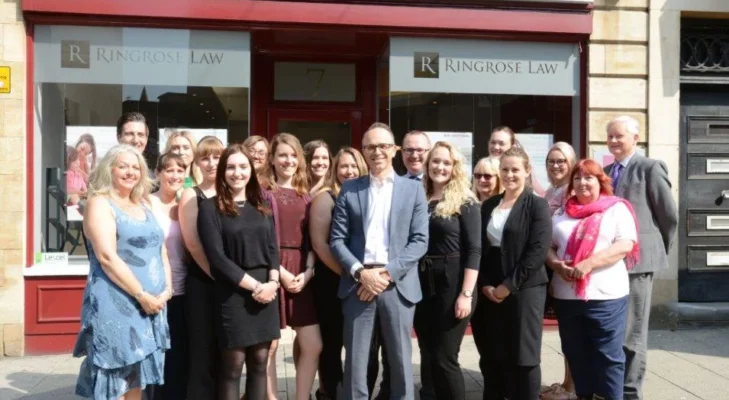
We draft Wills for people across Lincoln every week. From first-time buyers to retired couples reviewing a Will they wrote thirty years ago. Here's what that experience looks like.
A Straightforward Process With Advice in Plain English
For most people, a Will is a relatively simple document, and the process of getting one shouldn't be complicated.
You come in, we ask questions about your family, your assets, and what you'd like to happen. Then we explain your options, what you need to include, what you might want to consider, and what you can leave out.
We prepare the Will, you review it, and we arrange a signing appointment. The whole process typically takes two to three weeks from first meeting to signed document.
You don't need to prepare anything in advance. You don't need to know the exact value of your house or the policy number of your life insurance. Just come in and we'll guide you through it.
Professionally Drafted Wills
Online Will-writing services and DIY kits are cheap. They're also one of the most common sources of problems we see when families try to administer an estate.
Ambiguous wording that leaves room for two different interpretations. A missing attestation clause that puts the Will's validity in question. Provisions that don't account for what happens if a beneficiary dies before you. A Will that was perfectly fine when it was written but doesn't work anymore because the law has changed or your circumstances have.
A professionally drafted Will from a qualified solicitor costs more than a £30 template. But it's a fraction of what a disputed or invalid Will costs to sort out, and those disputes don't just cost money. They fracture families.
We Know How Lincoln Families Hold Their Assets
A Will needs to reflect your circumstances. How you hold your assets affect how they pass on death, and a generic template doesn't account for the detail.
Whether you own;
- Own a home in North Hykeham with a joint mortgage
- A leasehold flat near the Brayford
- A period property in the Bailgate held in your sole name
- Agricultural land on the outskirts of the city, or
- A share in a local business
Each of these creates different considerations for your Will. Joint tenancies, tenancies in common, leasehold restrictions, business partnership agreements, agricultural tenancy arrangements, these aren't things a template covers.
We draft Wills for Lincoln families every week. We understand the local property and asset landscape, and we make sure your Will reflects how you actually hold what you own.
Get Your Will Sorted - Contact Us Today
It's quicker, simpler, and cheaper than you think.
01522 561020

The Types of Will Our Lincoln Solicitors Prepare
Not every Will is the same. The right type depends on your circumstances, whether you're single or married, have children, own property jointly or solely, have a blended family, or want to build in specific protections. Here's what we offer.
Single Wills
A single Will is the right starting point for most individuals. It sets out who inherits your assets, who you'd like to act as executor, and if you have children under 18, who you'd want to act as their guardian.
This is the type of Will we most commonly prepare for first-time property owners, unmarried individuals, and people whose circumstances are relatively straightforward. If you've recently bought your first home, this is probably what you need.
If you have a partner but you're not married, a single Will is particularly important. Under the rules of intestacy, unmarried partners inherit nothing, regardless of how long you've been together or whether you own a property jointly. A Will is the only way to make sure you provide for your partner.
Mirror Wills For Couples
Mirror Wills are two separate, but matching Wills prepared for married couples or partners. They typically leave everything to each other first, and then to children or other beneficiaries if both partners have died.
This is the most common type of Will we prepare for families in Lincoln. It's simple, efficient, and covers the most likely scenarios.
One point worth understanding is that mirror Wills are separate legal documents.
Either party can change theirs independently at any time without the other's knowledge or consent.
For most couples this isn't an issue. However, if you're in a second marriage and want protect children from your first marriage, regardless of what your spouse does after your death, a Will with a Trust may be more appropriate.
Wills With Trusts
Where a straightforward "everything to my spouse, then to the children" doesn't give you enough protection, we can build Trusts into your Will to control how and when assets get distributed.
Common examples include;
- Life Interest Trusts - for blended families, which allow a surviving spouse to live in the family home for their lifetime while ensuring the property ultimately passes to children from a first marriage.
- Property protection trusts - which ring-fence the value of your share of the home so it's not lost to care home fees if your spouse needs residential care later.
- Discretionary trusts - for vulnerable beneficiaries who can't manage a lump sum.
- Trusts for minor children - which hold assets until they reach an age you consider appropriate rather than handing everything over at 18.
If your situation requires more comprehensive trust planning, including lifetime trusts and inheritance tax mitigation, you may benefit from a broader estate plan. Our Estate Planning Solicitors in Lincoln page covers this in detail.
Wills Involving Business Assets
If you own a business, a share in a partnership, or a stake in a limited company, your Will needs to deal with it specifically.
- What happens to the business when you die?
- Can your executors run it while the estate is administered?
- Do your business partners have the right to buy your share?
- Is there a shareholders' agreement or partnership agreement that overrides what your Will says?
- Does the business qualify for Business Property Relief, and is your Will drafted in a way that preserves that relief?
These are questions that a standard Will template doesn't address. We work with business owners across Lincoln and Lincolnshire to make sure their Will sits alongside their business arrangements rather than conflicting with them.
Wills Involving Agricultural Property
Farming families across Lincolnshire face specific challenges when it comes to Wills.
Agricultural land and property may qualify for Agricultural Property Relief, which can reduce or eliminate the inheritance tax bill. However, the relief isn't automatic, and the Will needs to be drafted carefully to make sure it applies.
Tenancy arrangements add complexity. Whether the land is farmed under an Agricultural Holdings Act tenancy, a Farm Business Tenancy, or in-hand affects how it's treated for tax purposes and how you can pass it on. The Will also needs to work alongside any broader succession plan for the farming business.
Lincolnshire is one of England's most significant agricultural counties, and we advise farming families across the Lincoln area on Wills that properly account for agricultural assets.
Updating Or Replacing An Existing Will
A Will isn't a document you write once and forget about. Life changes, and your Will needs to keep up.
Marriage automatically revokes an existing Will in England and Wales which is something many people don't realise. If you got married after making your Will and didn't write a new one, you currently don't have a valid will.
Divorce doesn't revoke your Will, but it does affect any provisions you made for your former spouse, which can leave gaps in how your estate is distributed.
- The birth of children or grandchildren
- Buying or selling property
- Receiving an inheritance
- Starting or closing a business
- A change in your relationship, or
- Simply a change of mind about who you'd like to benefit
All of these are reasons to review and update your Will. If your current Will is more than five years old, or if any of these things have happened since you last updated it, it's worth having it looked at.
What Happens if You Die Without a Will
If you die without a valid Will, your estate is distributed according to the rules of intestacy. These are fixed legal rules that apply regardless of your personal wishes, and they rarely match what most people would choose.
- If you're married with children: your spouse receives the first £322,000 and all personal belongings. Everything above that amount gets split, half to your spouse and half divided equally between your children. If the bulk of your estate is tied up in your home, your spouse could be forced to sell it to release the children's share. If your estate is worth less than £322,000, your spouse inherits everything and your children receive nothing.
- If you're unmarried: your partner inherits nothing. It doesn't matter if you've lived together for twenty years, raised children together, or jointly own your home. Under intestacy rules, an unmarried partner has no automatic right to inherit. This is one of the most common and most damaging consequences of not having a Will. Given the number of unmarried couples in Lincoln, it catches more people out than you might expect.
- If you have stepchildren: they inherit nothing under the rules of intestacy. Only biological children and legally adopted children are included. If you want your stepchildren to benefit, you need a Will that says so.
- If you have no surviving spouse or children: your estate passes first to your parents, then to siblings, then to increasingly distant relatives. If no relatives can be traced, your entire estate goes to the Crown.
- If you have children under 18: without a Will, you haven't named a guardian. The court decides who looks after your children, and it may not be the person you would have chosen.
A Will is the only way to make sure your estate goes where you want it to, your partner is protected, your children are provided for, and the right people are in charge of carrying out your wishes.
How Getting a Will Works: It's Simpler Than You Think
Most people who've been putting off their Will are surprised by how straightforward the process is. Here's what to expect.
Step 1: A Conversation About Your Current Situation
You can come into our Lincoln office, call us, or arrange a video consultation. We’ll ask about your family, your assets, and what you'd like to happen. You don't need to bring anything or prepare in advance; we'll ask questions and guide you through the decisions you need to make.
Most initial consultations take 30 to 45 minutes. By the end, you'll know exactly what type of Will you need, what it covers, and how much it will cost. No obligation to proceed.
Step 2: We Draft Your Will
We’ll prepare your Will based on your instructions and send you a draft to review. If anything needs changing, we’ll make the amendments. For straightforward Wills, the draft is usually ready within a week or two.
Step 3: Signing and Storage
We arrange a signing appointment at our Lincoln office, or at your home if you prefer. Your will must be signed in the presence of two independent witnesses, we can provide them if needed.
Once signed, we’ll store your original Will securely. You’ll receive a copy for your own records, and we keep the original safe so it's available when it's needed.
Get Started Today
Most wills are completed within two to three weeks. Book your consultation today.
01522 561020
Speak to a Will Solicitor in Lincoln
Our office is in Lincoln at St Peter at Arches on Silver Street, in the city centre. Our wills team advises individuals and families across Lincoln and the surrounding areas, including North Hykeham, Birchwood, Bracebridge Heath, Nettleham, Welton, Washingborough, and Skellingthorpe.
For elderly or less mobile clients, we offer home visits across Lincolnshire. We also offer evening appointments by arrangement and video consultations.
Address
St Peter at Arches
Lincoln
LN2 1EA
Phone Number
Find Us
Frequently Asked Questions Answered by Lincoln Will Solicitors

Nerina Farmer TEP
Director & Solicitor


Kate Twigg TEP
Partner & Solicitor, Wills and Probate

Gemma Baumber TEP
Senior Associate Solicitor, Wills & Probate
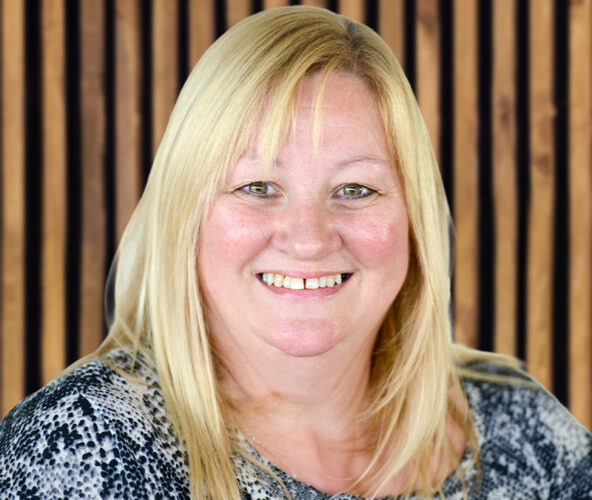
Tracey Garner TEP
STEP Practitioner & Senior Associate