




If you have concerns about medical care you or a family member received, and you're not sure where you stand, you're in the right place. Something might have clearly went wrong, or maybe you just have a feeling that things should have been handled differently. Either way, understanding whether what happened amounts to negligence or an unfortunate outcome is the first step.
Not every bad outcome is negligence, but if the care fell below the standard you were entitled to expect, you have options. Getting clear, honest advice early means you can make an informed decision about what to do next rather than spending months wondering.
Our Lincoln medical negligence solicitors can help you make sense of what happened, whether it amounts to a claim, and if it does, what to do about it.
Why Lincoln Clients Choose Ringrose Law for Medical Negligence Claims
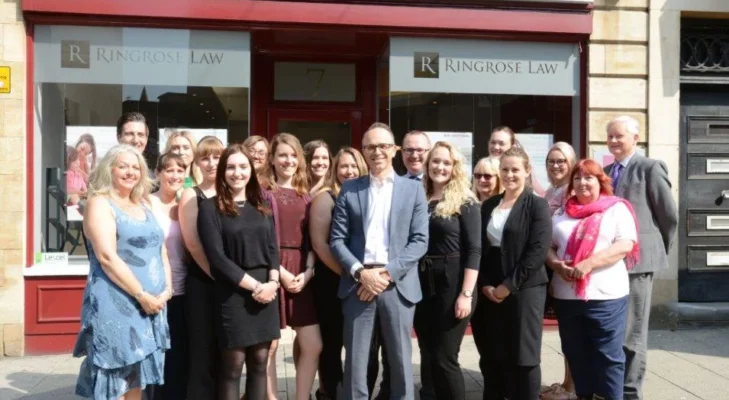
Our Lincoln medical negligence team has spent years handling claims involving hospitals, GP surgeries, dental practices, private providers, and care homes across Lincolnshire. Three things shape how we work.
Specialist Medical Negligence Experience
A medical negligence claim can only succeed if we can show that;
- Your care fell below an accepted professional standard and
- This directly caused the harm you've suffered.
That's a higher bar than most people realise, and it's why these cases need solicitors who focus specifically on this area.
We've been advising clients in Lincoln and across Lincolnshire on medical negligence claims for many years. We've represented families at Lincoln Coroner's Court, and we understand the referral pathways and record-keeping processes across the region's healthcare providers. That experience means we know where to look when something doesn't add up.
A Thorough, Evidence-led Approach
Medical negligence cases can take years to conclude. They involve:
- Getting your full medical records
- Instructing independent medical experts, and often
- Input from several specialisms. This isn't work that can be rushed.
This work takes time as we often need to gather records from multiple organisations. GP records in one place, hospital notes in another, specialist records at a centre in a different county entirely. We're used to pulling everything together to build a complete picture of what happened and where things went wrong.
Where a case doesn't have reasonable prospects of success, we'll tell you. That honesty up front saves everyone time and emotional energy.
No Win, No Fee, With an Honest Assessment First
All our medical negligence work is offered on a No Win, No Fee basis. This means there's no upfront cost to explore whether you have a claim and no financial risk if the case isn't successful.
But we take our assessment process seriously. Before we commit to a case, we review what happened, look at the medical records, and give you a view of whether a claim is viable. If it is, we'll explain the process and what you can expect. If it isn't, we'll tell you that too.
Talk to a Medical Negligence Solicitor Today
Free initial consultation. No Win, No Fee.
01522 561020

The Medical Negligence Claims We Handle
Medical negligence covers a wide range of situations where substandard care has caused harm. Here are the main specialismsour Lincoln team handles.
Misdiagnosis and Delayed Diagnosis
Some of the most serious medical negligence cases involve conditions that were missed or diagnosed too late.
- A GP who dismissed the symptoms.
- A radiologist who overlooked a fracture.
- An A&E doctor who didn't recognise sepsis.
- A cancer that was put down to something else for eighteen months, by which time the options for treatment had narrowed.
The referral chain adds an extra layer of risk. For example, a GP in Lincoln suspects something serious and refers you to a specialist, but the nearest specialist may be in Nottingham, Sheffield, or Leicester. That referral has to be made, received, triaged, and acted on across different NHS Trusts. Each handoff is an opportunity for a letter to sit in a queue, a result to go unread, or a referral to be downgraded.
The legal question in these cases is whether an earlier or correct diagnosis would have changed the outcome. For example, would the cancer have been curable at stage one rather than stage three? Would the sepsis have been treated before it caused lasting damage?
We handle delayed diagnosis claims across a wide range of conditions including cancer, cardiac conditions, sepsis, meningitis, fractures, and mental health conditions where a failure to assess properly had serious consequences.
Failure to Diagnose Cancer Misdiagnosis
Surgical and Hospital Errors
Things can go wrong in a hospital setting even when the initial diagnosis was correct;
- Wrong-site surgery
- Retained instruments
- Nerve damage caused by surgical error
- Anaesthetic complications, and
- Avoidable post-operative infections all fall under this category.
Hospital-acquired infections, pressure sores, falls on wards, and medication errors during inpatient stays are also a common source of claim. Particularly where basic care standards weren't met.
Birth Injury and Maternity Care
Injuries sustained during pregnancy, labour, or delivery can have lifelong consequences for mother, baby, or both. These claims typically involve the most serious outcomes we see.
We handle claims involving;
- Cerebral palsy caused by delays in delivery or oxygen deprivation
- Erb's palsy following shoulder dystocia
- Failure to identify foetal distress, and
- Injuries resulting from poorly managed caesarean sections.
We also handle maternal injury claims, including undiagnosed pre-eclampsia, postpartum haemorrhage, and fourth-degree tears.
If you or your child suffered an injury during birth and you have concerns about the care you received, those concerns are worth investigating properly. Maternity claims require early specialist advice because the evidence needs to be preserved and reviewed by the right experts.
GP Negligence
GPs are often the first point of contact when something is wrong, and the first point at which things can be missed. Common GP negligence claims involve;
- Failures to refer patients to secondary care
- Failures to act on abnormal test results
- Prescribing errors, and
- Missed diagnoses of conditions that should have been recognised.
These cases often come down to gaps in the system rather than a single dramatic error. Because GPs see patients over long periods, these claims often involve reviewing years of medical records to identify when warning signs were overlooked.
Dental Negligence
We handle dental negligence claims involving;
- Failure to diagnose oral cancer or advanced gum disease
- Negligent extractions resulting in nerve damage
- Complications from implants and cosmetic dentistry, and
- Failed orthodontic treatment.
Dental negligence cases often involve treatment provided privately, which changes the legal and insurance position.
Cosmetic and Private Treatment Negligence
Private cosmetic procedures, whether surgical or non-surgical, are subject to a different regulatory framework from NHS care. Where treatment has gone wrong, where aftercare was inadequate, or where a procedure was performed without proper consent or by an unqualified practitioner, a claim may be possible.
We advise on cosmetic claims against private surgeons, clinics, and practitioners offering cosmetic treatments, and we can help identify the right defendant where the practitioner has since moved on or the clinic has closed.
Fatal Medical Negligence Claims
If you've lost a loved one as a result of negligent medical care, you may be entitled to bring a claim on behalf of their estate and for the financial and emotional loss to surviving family members.
These claims often run alongside inquest proceedings, where a coroner investigates the circumstances of the death. An inquest isn't about blame, but its findings can be important to a subsequent negligence claim. We can represent families at inquests and then pursue a civil claim where appropriate.
Where cases involve inquests, we represent families at Lincoln Coroner's Court and can then pursue a civil claim where the evidence supports it.
Mental Health and Care Home Negligence
Mental health negligence claims include failures to prevent suicide in inpatient settings, inadequate risk assessment, and failures in the discharge process.
Care home negligence covers;
- Neglect
- Pressure sores
- Avoidable falls
- Malnutrition and dehydration
- Medication errors, and
- Physical or emotional abuse.
Where a vulnerable person has suffered because the standard of care fell below what's expected, a claim may be possible against the care provider.
If you're concerned about the care a family member is receiving, or has received in a care home, we can advise you on whether what happened warrants further investigation. You don't need to wait until something catastrophic happens. If you have concerns now, it's worth getting advice.
Specialist Legal Advice With No Financial Risk
Medical negligence claims can take years to conclude. Complex cases involving birth injury or cancer misdiagnosis can run for three or four years, sometimes longer. The last thing you need during that time is a bill from a law firm.
That's why we work mostly on a No Win, No Fee basis for the majority of our medical negligence work. This means:
- No upfront costs - You pay nothing to start your claim.
- No risk - if your claim isn't successful, you don't pay us anything.
- Capped fees - If we win, our fee is deducted from your compensation payout and is capped by law, so you keep the majority of your settlement.
We also offer an honest assessment at the outset. We'd rather tell you at the first consultation that a claim isn't likely to succeed than put you through years of investigation for nothing.
Do You Have a Claim?
Book a Free initial consultation with a Lincoln medical negligence specialist.
01522 561020
Speak to a Medical Negligence Solicitor in Lincoln
Our Lincoln office is at St Peter at Arches on Silver Street, in the city centre. Our team advises on medical negligence claims involving hospitals, GP surgeries, dental practices, care homes, and private healthcare providers across Lincolnshire.
We offer home visits across Lincoln and the surrounding areas, including North Hykeham, Nettleham, Washingborough, and greater Lincoln if you’re unable to travel to our office. We also off video consultations for clients across the county.
Address
St Peter at Arches
Lincoln
LN2 1EA
Phone Number
Find Us
Frequently Asked Questions Answered By Our Medical Negligence Solicitors in Lincoln

John Knight
Senior Director & Solicitor


Richard Teare
Director & Solicitor
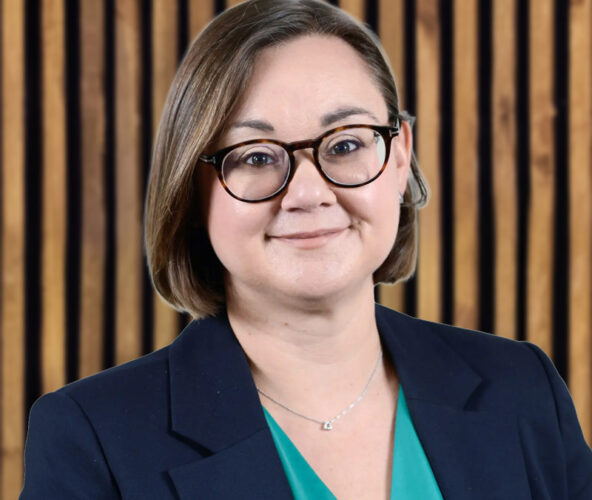
Anna Wilson
Partner & Solicitor, Medical Negligence
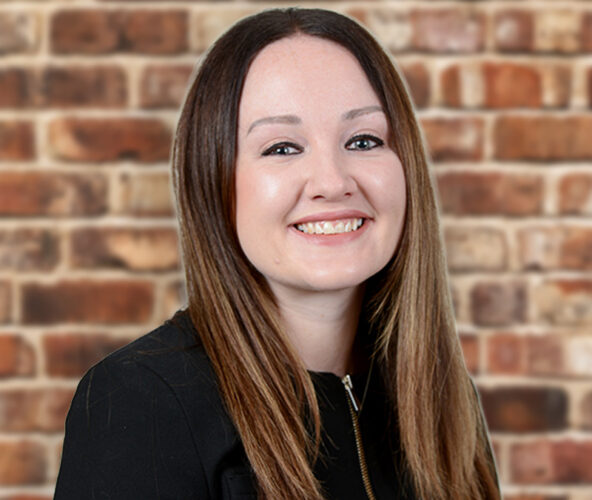
Victoria Lyon
Partner & Solicitor - Medical Negligence