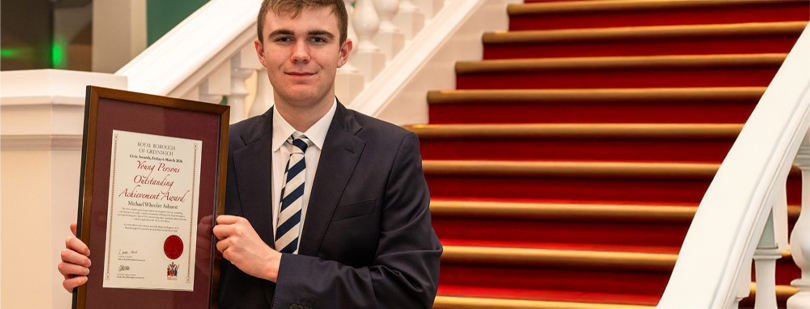
Ringrose Law was proud to support Master Michael Wheeler-Ashurst, an autistic child, in a disability discrimination claim against The Scout Association (“the Scouts”). Michael won his claim at first instance, was awarded £8,000 for injury to feelings, and, when the Scouts appealed, successfully defended that decision, with the appeal court upholding the original judgment in full.
The Background
Michael was 11 at the time. He had been removed from the Gang Show, the Scouts’ annual variety performance of singing, dancing and theatrical routines, after arriving late to a rehearsal because of a scheduling conflict.
The Gang Show gives children a creative outlet and the chance to build confidence, teamwork and social skills. Being removed from it had a significant emotional impact on Michael and prevented him from taking part alongside his peers.
The Legal Issues
The case raised important questions about accessibility and inclusion. The court confirmed that Michael had been placed at a substantial disadvantage compared to other children, and that reasonable adjustments could and should have been made to allow him to participate fully, such as accommodating a later arrival and providing additional support to help him integrate into rehearsals.
When the Scout Association appealed, the appeal court dismissed its submissions and upheld the original decision, leaving Michael’s £8,000 award for injury to feelings in place.
Why it Matters
The judgment reinforces the legal obligations of organisations to consider accessibility and inclusion, particularly in activities involving children. It highlights the wider importance of ensuring disabled children are not unfairly excluded from the extracurricular and recreational opportunities their peers enjoy.
How Ringrose Law helped
Specialist Equality & Disability Rights lawyer Carrie Clewes, Head of our Discrimination and Equality Department, supported Michael and his family throughout. The team provided expert guidance and advocacy, ensuring Michael’s needs were fully represented and that the importance of reasonable adjustments was clearly communicated to the court.
Commenting on the outcome, Carrie Clewes said:
“I’m reassured that the appeal judge has upheld the original decision in our favour. It is positive to see the first-instance judgment bolstered in this way, and to have the Defendant’s submissions, especially those surrounding the potential effects of their behaviours on children with autism — dismissed with careful consideration.
I’m grateful to Ameer Ismail and Catherine Casserley of Cloisters Chambers for their thoughtful and effective advocacy at the appeal hearing, ensuring the issues were addressed with clarity and fairness, and always with the Claimant’s interests at the forefront of every submission.
Most importantly, this outcome brings a welcome sense of justice and closure for Michael and his family. It has been a long process for him, and I’m glad that the court’s decision allows him to move forward with confidence.”
Ringrose Law remains committed to supporting disabled children and their families, ensuring accessibility and inclusion are prioritised in all aspects of everyday life, including extracurricular and recreational opportunities.