




Whether you’re;
- A parent struggling to agree childcare arrangements with an ex
- A grandparent who's been cut off from a grandchild
- A parent who's had an unexpected visit from social services, or
- Someone who's just received paperwork telling them the local authority is applying to court.
Child law covers all of these situations, and more.
They can be frustrating, upsetting, and at times frightening. But they share one thing in common: the decisions you make now will affect a child's life, and yours, for years to come.
You don't have to work out how to handle it on your own.
Our Lincoln child law solicitors advise parents, grandparents, and other family members through every type of child law matter, from private disagreements between families to formal proceedings involving the local authority.
We'll explain what you're dealing with, what your options are, and what a sensible way forward looks like.
Why Lincoln’s Families Turn to Ringrose Law for Child Law Matters
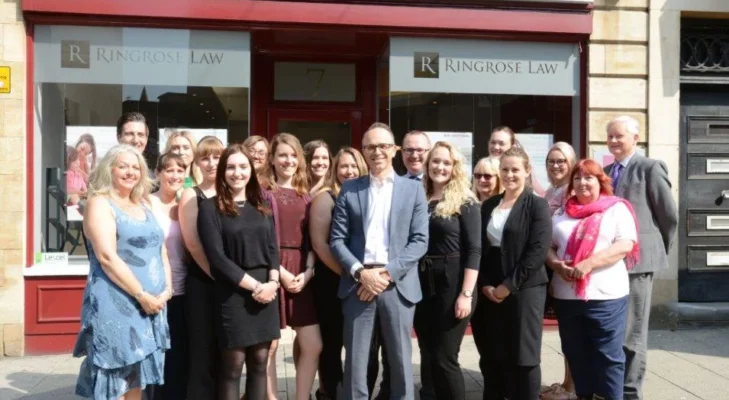
Our Lincoln child law team has spent years working across both private disputes and public law proceedings. Three things shape how we work.
Specialist Experience Across Private and Public Child Law
Child law splits into two broad areas: private matters between family members, and public matters involving the local authority. Some firms focus on one or the other. Our team handles both, which matters because these areas often overlap.
- A private dispute between parents can escalate into social services involvement
- A relationship breakdown can raise safeguarding questions
- A grandparent trying to help during a family crisis can find themselves drawn into care proceedings.
Having a team that understands both sides of the system means you get consistent, joined-up advice, not a referral to another firm halfway through
A Calm, Child-Focused Approach
Child law cases can become heated very quickly.
Parents dig in, positions harden, and what should be a conversation about a child's welfare turns into a conflict between adults.
We try to keep the focus where it belongs.
Our approach is measured and practical, we advise firmly where we need to, but we don't pour fuel on the fire. In most cases, a negotiated outcome is better for everyone, especially the child.
Where court proceedings are necessary, we represent you without losing sight of the fact that the child involved has to live with the outcome.
Fast Response and Legal Aid Where it's available
Some child law matters can't wait.
If you're facing care proceedings, have been told your child is at risk of being removed, or need to respond to an urgent application, we can act quickly.
Legal aid is available for many child law matters, and for parents in care proceedings it's non-means-tested, meaning your representation is funded regardless of your income. We assess eligibility at the first consultation and handle the application so you can focus on what's happening rather than how to pay for help.
Talk to a Child Law Solicitor About Your Situation
Your consultation is confidential and no-obligation.
01522 561020

The Child Law Matters Our Lincoln Team Handles
Child law is broader than most people realise.
Many clients only find out how many different processes exist once they're in the middle of one. Here's a breakdown of what we cover.
Child Arrangements
When parents separate, they have to make decisions about:
- Where their children live
- How much time they spend with each parent
- How holidays and changeovers work, and
- How important decisions get made going forward
Most families reach an agreement without needing court involvement. Where an agreement isn't possible, or where one parent isn't sticking to what was previously agreed, we can help you apply for a child arrangements order. This is a legally binding order setting out the arrangements for the child.
If your matter arises from a separation or divorce, you may also want to read our Family Law Solicitors in Lincoln page, which covers the wider process.
Parental Responsibility
Parental responsibility is the legal authority to make decisions about a child's upbringing. Things like schooling, medical treatment, and religious upbringing.
Mothers have parental responsibility automatically. Fathers have it if they were married to the mother, or if they're named on the birth certificate for births registered in England or Wales after 1 December 2003. Fathers who don't fall into either category, and step-parents who want to take on a formal role, can acquire parental responsibility through agreement or by court order.
We advise on parental responsibility agreements, applications for parental responsibility orders, and in rare cases the removal of parental responsibility where that's appropriate.
Parental Responsibility Arrangements
Specific Issue and Prohibited Steps Orders
Sometimes the dispute isn't about general arrangements, it's about one specific decision.
- What school the child goes to
- Whether a particular medical treatment goes ahead
- A proposed change of the child's surname
- Whether one parent can take the child abroad
A specific issue order asks the court to decide a particular question. A prohibited steps order asks the court to prevent a parent from taking a specific action. Both are targeted tools, and both can be sought urgently where the situation requires it.
Relocation and Child Abduction
If you want to move with your child, either within the UK or abroad, and the other parent with parental responsibility doesn't consent, you need the court's permission. These cases require careful preparation: the court will want to understand your reasons, your plans for the child's welfare, and how contact with the other parent will continue.
Where a child has been wrongfully taken abroad, or there's a risk of this happening, we can advise on proceedings under the Hague Convention on international child abduction. These cases move quickly and require specialist handling.
Care Proceedings and Local Authority Involvement
If the local authority has raised concerns about the care a child is receiving, they may carry out a Section 47 enquiry, hold a child protection conference, or begin pre-proceedings (the Public Law Outline, or PLO). In more serious cases, they can apply to court for a care order, supervision order, interim order, or emergency protection order.
This is one of the most stressful situations a parent can face. We provide representation at every stage, from the first social services meeting to final hearings. Legal aid for parents in care proceedings is non-means-tested, so representation is funded regardless of your financial circumstances.
We also represent grandparents, relatives, and other family members who want to be considered as carers for a child during care proceedings.
Pre-Proceedings Solicitors Care Orders Solicitors Supervision Orders Solicitors Interim Orders Solicitors Emergency Protection Order Solicitors Care Proceedings Solicitors
Special Guardianship and Kinship Care
Where a child can't safely live with their parents, it's often another family member. A grandparent, aunt, uncle, or close family friend, who steps in to care for them.
A special guardianship order (SGO) gives the special guardian the authority to make day-to-day decisions about the child without completely severing the legal relationship with the birth parents. It's often the right option where adoption would be too final, but a child arrangements order wouldn't provide enough security.
We advise and represent prospective special guardians on the application process, the local authority assessment, and the ongoing support available.
Grandparents' Rights and Applications by Extended Family
Grandparents don't have automatic legal rights to see their grandchildren, but that doesn't mean there's nothing you can do if you've been cut off.
The process involves two stages.
First, you apply to the court for permission (known as "leave") to make an application. If the court grants permission, you can then apply for a child arrangements order to spend time with your grandchild. The court decides based on what's in the child's best interests.
We also represent extended family members who want to take on a more significant role. For example, during a family crisis or where the parents are unable to care for the child.
Adoption
Adoption is a legal process that permanently transfers parental responsibility from the birth parents to the adoptive parents. It's different from other arrangements like special guardianship because it severs the legal relationship with the birth family.
We advise on step-parent adoptions (where a step-parent formally adopts their partner's child), adoption by relatives, adoptions arising from local authority care proceedings, and contested adoptions where birth parents are opposing the application.
How We Work With You On Child Law Matters
Child law matters often feel overwhelming because there's a lot happening at once; emotions, practical arrangements, and a legal process that has its own timeline. Here's how we work through it with you.
Step 1: Understanding Your Situation
We start with a conversation. Whether that's at our Lincoln office, by phone, or by video call, and we listen carefully to what's happening and give you an honest assessment of where you stand.
What you think you need isn't always what you actually need. Someone who calls us about a "custody" dispute might really be looking at a parental responsibility issue. Someone worried about social services might already be in pre-proceedings without fully realising it. Part of our job is identifying what you're actually dealing with and explaining what that means.
We also assess whether legal aid is available and take care of the application if so.
Step 2: Taking the Right Action
For private disputes, the right first step is often negotiation or mediation, not court proceedings. We write to the other party, explore whether an agreement is possible, and where mediation would help, refer you to a qualified mediator while we provide legal advice alongside.
For public law matters, things often move faster. We may need to attend a PLO meeting within days, respond to court papers, or prepare for a hearing. Whatever the situation, we'll be clear about what's happening, why we're doing it, and what we need from you.
Step 3: Working Towards a Lasting Outcome
The quickest resolution isn't always the right one. Child arrangements, special guardianship arrangements, and care plans affect years of a child's life. A poorly drafted order can create problems that resurface later.
We aim for clear, practical outcomes that hold up in real life. Arrangements that actually work when the child is eight, twelve, fifteen, not just on the day the order is signed. Where possible, we get agreements formalised in legally binding orders, so everyone has certainty going forward.
Speak to a Child Law Solicitor Today
Confidential, no-obligation advice from our Lincoln team
01522 561020
Speak to a Child Law Solicitor in Lincoln
Our Lincoln office is at St Peter at Arches on Silver Street, a short walk from the Stonebow and within easy reach of Lincoln Family Court. Our team is familiar with the local Cafcass team and Lincolnshire County Council's children's services department.
We offer flexible appointments, including video consultations, and can act quickly where urgent action is required.
Address
St Peter at Arches
Lincoln
LN2 1EA
Phone Number
Find Us
Frequently Asked Questions Answered by Our Child Law Solicitors in Lincoln

Costa Kyriacou
Partner & Head of Children Law


Lucy Winterburn
Partner & Solicitor - Children Law

Hannah Bell
Associate Solicitor, Children Law
Sehrish Hussain
Associate Solicitor - Children Law