



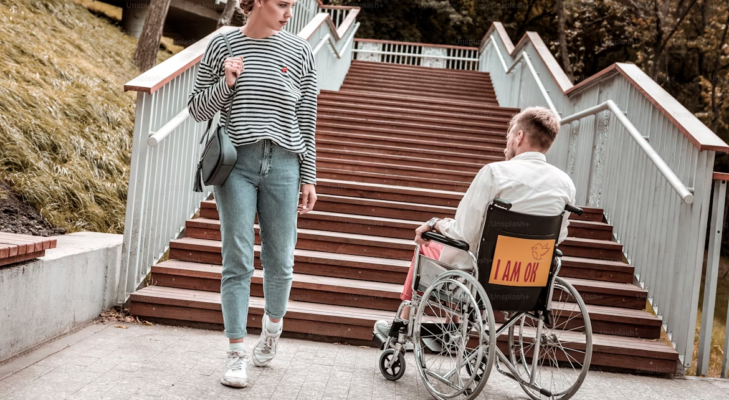
A shop that wouldn't let you in because of your wheelchair. A hospital that didn't provide a BSL interpreter when you needed one. A bus that drove past because the driver didn't want to deploy the ramp. A leisure facility that told your child they couldn't take part because of their disability. A restaurant that treated you differently because of how you look, what you believe, or who you're with.
Discrimination doesn't always look like an obvious act of prejudice. Sometimes it's a:
- Building you can't get into
- Website you can't use
- Form that only comes in print
- Policy that works for everyone else but puts you at a disadvantage because of who you are.
Sometimes it's so routine you've almost stopped noticing.
The Equality Act 2010 says that businesses, service providers, and public bodies must not discriminate against you because of a protected characteristic. They also have a legal duty to make reasonable adjustments so you can access their services on the same basis as everyone else. When they fail, you have the right to challenge it, and sometimes, to claim compensation.
Our Lincoln discrimination solicitors help you do exactly that. Whether that means removing a barrier, changing a policy, holding an organisation to account, or securing the compensation.
Why People Across Lincoln Choose Ringrose Law For Discrimination Claims
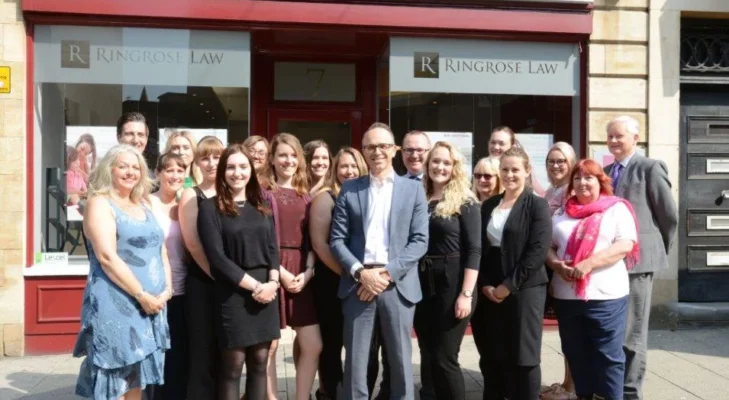
Our discrimination team has represented individuals against some of the UK's largest service providers and public bodies. Here's what that experience looks like.
A Track Record of Results That Actually Change Things
We don't just settle cases quietly. When we take on a discrimination claim, we're often looking for more than compensation. We want to change the behaviour that caused the problem in the first place.
For example, we’ve secured company-wide policy change, staff retraining, and a substantial compensation payment against Centre Parcs after a client was refused access to a water slide for not removing his prosthetic leg.
We secured £17,000 in compensation against Southern Rail after a wheelchair user was left stranded on trains and platforms more than thirty times. All because staff failed to provide the assistance they were required to give.
These aren't just legal wins. They're changes that affect every person who uses those services after our client. That's the kind of outcome we aim for.
We Understand Discrimination Beyond the Workplace
Many law firms offer employment discrimination advice. Far fewer handle discrimination by service providers, retailers, transport operators, healthcare providers, councils, leisure facilities, and educational institutions.
Our team specialises in this broader picture. The Equality Act duties that apply to anyone providing a service to the public. That includes private businesses like shops, restaurants, gyms, and holiday parks, as well as public bodies like the NHS, local councils, universities, and transport providers. If an organisation serves the public, it has legal obligations under the Equality Act, and we hold them to those obligations.
Your Local Team, Wherever the Discrimination Happened
You don't have to have been discriminated against in Lincoln to come to us. Many of our clients are Lincoln residents who've experienced discrimination anywhere. On a train, at a holiday park, in a hospital in another city, or on a website. They choose us because they want a solicitor they can sit down with locally, who understands their situation, and who has a track record of taking on large organisations and winning.
Our office is on Silver Street in the city centre. You can meet your solicitor face-to-face whenever you need to. Not just at the start, but throughout the process. And if you need us to make adjustments to how we work with you, including BSL interpretation, we already have that in place.
Talk to a discrimination solicitor about what happened
Consultations are confidential and no-obligation.
01522 561020

The Types of Discrimination Our Lincoln Team Handles
The Equality Act 2010 makes it illegal to discriminate against anyone because of nine protected characteristics. Here's what each one covers and the kinds of claims we bring.
Disability Discrimination
Disability discrimination is one of the most common and wide-ranging areas of discrimination law. If you have a physical or mental disability, a long-term health condition, or a sensory impairment, service providers have a legal duty to make reasonable adjustments so you can access their services.
That duty covers a lot of ground. It means removing physical barriers like stepped entrances, high counters, and inaccessible toilets. It means providing information in accessible formats, for example, large print, electronic documents, and BSL interpretation. It means allowing guide dogs and service animals in shops and public areas. It means adjusting policies and practices that put disabled people at a disadvantage.
These obligations apply to every organisation that serves the public. From national retailers and transport companies to local leisure facilities, NHS hospitals, and private healthcare providers. Being in an old building, operating on a tight budget, or having "always done it this way" is not a defence.
If you've been refused a service, excluded from an activity, or unable to access a building, website, or piece of information because of your disability, that's likely to be unlawful discrimination, and we can help you challenge it.
Disability Discrimination Solicitors
Race Discrimination
Discrimination based on your race, colour, nationality, ethnic origin, or national origin by a service provider, business, or public body is unlawful. This includes being refused entry to a venue, receiving a lower standard of service, being subjected to racial harassment, or being treated with suspicion based on your ethnicity.
Race discrimination isn't always overt. It can be:
- A security guard following you around a shop
- A landlord suddenly deciding a property is "no longer available," or
- A service provider making assumptions about you based on your name or accent.
Language barriers and cultural differences can also make people more vulnerable to discriminatory treatment and less aware that they have the right to challenge it.
Race Discrimination Solicitors
Age Discrimination
You can't be treated less favourably by a service provider because of your age. It doesn’t matter if you're younger or older. This includes being refused services, charged more, or excluded from activities based on your age bracket, unless the organisation can show the policy is objectively justified.
Common examples include insurance companies refusing cover or charging significantly more based on age alone, leisure facilities restricting access by age without justification, and financial services applying blanket age-based policies.
Sex and Gender Discrimination
Service providers must not treat you less favourably because of your sex. This covers differential pricing (charging men and women different amounts for equivalent services), different service levels, and assumptions about your needs or capabilities based on your gender.
Sex & Gender Discrimination Solicitors
Pregnancy and Maternity Discrimination
If you've been refused a service, excluded from an activity, or treated less favourably because you're pregnant or on maternity leave, that's unlawful discrimination. This applies to healthcare providers, leisure facilities, transport operators, and any other service provider.
Pregnancy & Maternity Discrimination Solicitors
Sexual Orientation Discrimination
Discrimination, harassment, or refusal of service because of your sexual orientation is unlawful. This covers hotels and accommodation, venues, leisure facilities, healthcare providers, and public services. It includes both direct acts of discrimination and creating a hostile or unwelcoming environment.
Sexual Orientation Discrimination Solicitors
Religious or Belief Discrimination
You're protected from discrimination based on your religion, religious belief, philosophical belief, or lack of belief. This includes service providers refusing to accommodate religious practices, applying dress code policies that disproportionately affect people of certain faiths, and hostile treatment because of your beliefs.
Religious or Belief Discrimination Solicitors
Gender Reassignment Discrimination
If you're proposing to undergo, are undergoing, or have undergone gender reassignment, you're protected from discrimination by service providers. This covers refusal of service, harassment, and any failure to treat you with dignity and respect.
Gender Reassignment Discrimination Solicitors
Marriage and Civil Partnership Discrimination
It's unlawful to treat someone less favourably because they're married or in a civil partnership. While less common in service provision than in employment, it can arise, for example, where a service provider makes assumptions about your availability, commitments, or needs based on your marital status.
Who You Can Make a Discrimination Claim Against
The Equality Act applies to anyone providing a service to the public, not just employers. That means you can bring a discrimination claim against a wide range of organisations, including:
- Shops, restaurants, cafés, and high street chains
- Hotels, holiday parks, and visitor attractions
- Gyms, swimming pools, leisure centres, and sports facilities
- Bus, rail, and taxi companies, including private hire operators
- NHS hospitals, GP surgeries, dentists, and private healthcare providers
- Local councils and government departments
- Universities, colleges, and schools
- Banks, insurers, and financial service providers
- Online retailers and digital service providers
- Private clubs and membership organisations
If an organisation provides a service to the public and treated you unfairly because of a protected characteristic, there's a good chance they've broken the law.
How Discrimination Happens
Discrimination takes different legal forms. Understanding which one applies to your situation helps clarify what happened and what you can do about it.
Direct Discrimination
Being treated less favourably than someone else specifically because of a protected characteristic. A hotel refusing to accept a booking because of your race. A leisure facility excluding your child from an activity because of their disability. A taxi driver refusing to take you because of your guide dog.
Indirect discrimination
A policy, practice, or rule that applies to everyone equally but puts people with a particular protected characteristic at a disadvantage. The organisation doesn't have to intend the discrimination, the effect is what matters.
A retail chain banning face coverings could indirectly discriminate against people who wear headscarves for religious reasons. A venue with a "no exceptions" booking policy might indirectly discriminate against disabled people who need adjustments.
Discrimination by Association
Being treated unfairly because of your connection to someone with a protected characteristic. A restaurant refusing to serve you because you're dining with a person who has undergone gender reassignment. A holiday park asking you to leave because of the behaviour associated with your child's disability.
Discrimination by Perception
Being treated unfairly because someone assumes you have a protected characteristic, whether or not you actually do. A landlord refusing to let a property to you because they believe you're pregnant. A shop treating you with suspicion because they perceive you to be of a particular nationality.
Harassment
Unwanted behaviour related to a protected characteristic that violates your dignity or creates a hostile, intimidating, or offensive environment. This includes verbal abuse, physical gestures, offensive jokes, intimidating behaviour, and inappropriate messages, whether directed at you or happening around you.
Victimisation
Being treated badly because you made a discrimination complaint, supported someone else's complaint, or gave evidence in a discrimination case. This protection exists to make sure you’re not punished for standing up for your rights. A bank closing your account because you complained about discriminatory treatment from a staff member is victimisation.
Failure to Make Reasonable Adjustments
This applies specifically to disability discrimination. Service providers have a legal duty to take reasonable steps to remove or reduce disadvantages experienced by disabled people. That might mean installing a ramp, providing information in an alternative format, allowing extra time, changing a policy, or providing an auxiliary aid like a hearing loop. If they fail to do so, and the failure puts you at a substantial disadvantage compared to non-disabled people, that's unlawful discrimination.
What Happens When You Contact our Discrimination Team
If you've experienced discrimination and you're thinking about doing something about it, here's what the process looks like.
Step 1: Tell Us What Happened
Contact us by phone, in person at our Lincoln office, or by video call. You tell us what happened, who did it, and how it affected you. We listen carefully, ask questions, and give you an honest assessment of whether what you've experienced is likely to amount to discrimination under the Equality Act.
We'll also talk about what you're looking for. Whether that's compensation, an apology, a change in policy, physical alterations to a premises, or a combination. Understanding what you actually want to achieve helps us choose the right approach.
Step 2: We Gather the Evidence
We may ask you for documents, correspondence, photographs, or details of anyone who witnessed what happened. If the discrimination involves a physical barrier or inaccessible service, we may arrange for evidence to be gathered and documented.
We then write to the organisation setting out the legal position — what happened, which part of the Equality Act it breaches, and what we're asking them to do about it. In many cases, this is enough to prompt a resolution.
Step 3: We Pursue the Best Outcome For You
Some cases are resolved through negotiation. The organisation acknowledges the failure, makes changes, and pays compensation. Others require a formal complaint through the organisation's own process or through a regulator. Where necessary, we bring a claim through the county court.
Our aim is always to get you the best available outcome. Sometimes that's a financial settlement. Sometimes it's a policy change that benefits everyone who comes after you. Often, it's both.
Talk to Us About What Happened to You
Confidential, no-obligation advice from our Lincoln discrimination team.
01522 561020
Speak to a Discrimination Solicitor in Lincoln
Our Lincoln office is at St Peter at Arches on Silver Street, in the city centre. We offer BSL interpretation and can make reasonable adjustments to our own services to ensure our advice is accessible to you.
Address
St Peter at Arches
Lincoln
LN2 1EA
Phone Number
Find Us
Frequently Asked Questions Answered by Our Lincoln Discrimination Solicitors

Carrie Clewes
Partner & Chartered Legal Executive, Litigator (Civil Litigation)


Erin Spencer-Kidd & Ollie
Paralegal & Assistance Dog, Discrimination Team

Jodie Proctor
Solicitor, Discrimination Team

Chris Timms
Litigation Executive, Discrimination Team